What Counts as a Small Tree
Most arborists classify trees as 25 feet in height and 6 to 10 inches in trunk diameter. Anything
shorter and thinner falls into the small tree category. Common culprits in our
region include young maples, dogwoods, redbuds, volunteer cedars, and the
ever-stubborn tree of heaven.
Size matters because it changes
the math on every part of the job. Equipment needs, safety considerations,
debris volume, and stump size all scale with the tree. A 12-foot sapling and a
24-foot semi-mature tree are different jobs entirely, even though both
technically qualify as small.
Why Small Trees Still Need Professional Attention
The word "small" can be misleading. A 20-foot tree near a roofline, fence, or power line carries the same risk profile as a much larger removal in an open field. Gravity does not care about trunk diameter when something is falling toward your siding.
• The
tree is within 20 feet of a structure, vehicle, fence, or power line
• It
is leaning, dead, or hollow
• The
trunk is over 6 inches in diameter
• There
is limited room to drop it cleanly
• Multiple
trees need to come down at once
• Roots are interfering with utilities, drainage, or hardscape
What to Expect From a Quality Tree Removal Service Near You
A professional small tree
removal usually follows the same basic sequence. The crew arrives with a saw,
rigging gear, and a plan for where the tree will land. Branches come off first
to lighten the load and control the fall. The trunk is cut in sections if
needed, then dropped or lowered to the ground.
After the cut, the wood gets
bucked up and hauled off, dragged to a brush pile, or left on site depending on
what you want. A good crew does a final walkthrough to clear small debris and
check for any damage to your turf.
The whole process for a single
small tree typically takes one to three hours.
Do Not Forget the Stump
Cutting the tree down is only
half the job. What you leave behind is a stump that will sprout new shoots,
attract termites and carpenter ants, soften and sink into the lawn as it rots,
and become a trip hazard for anyone walking the yard.
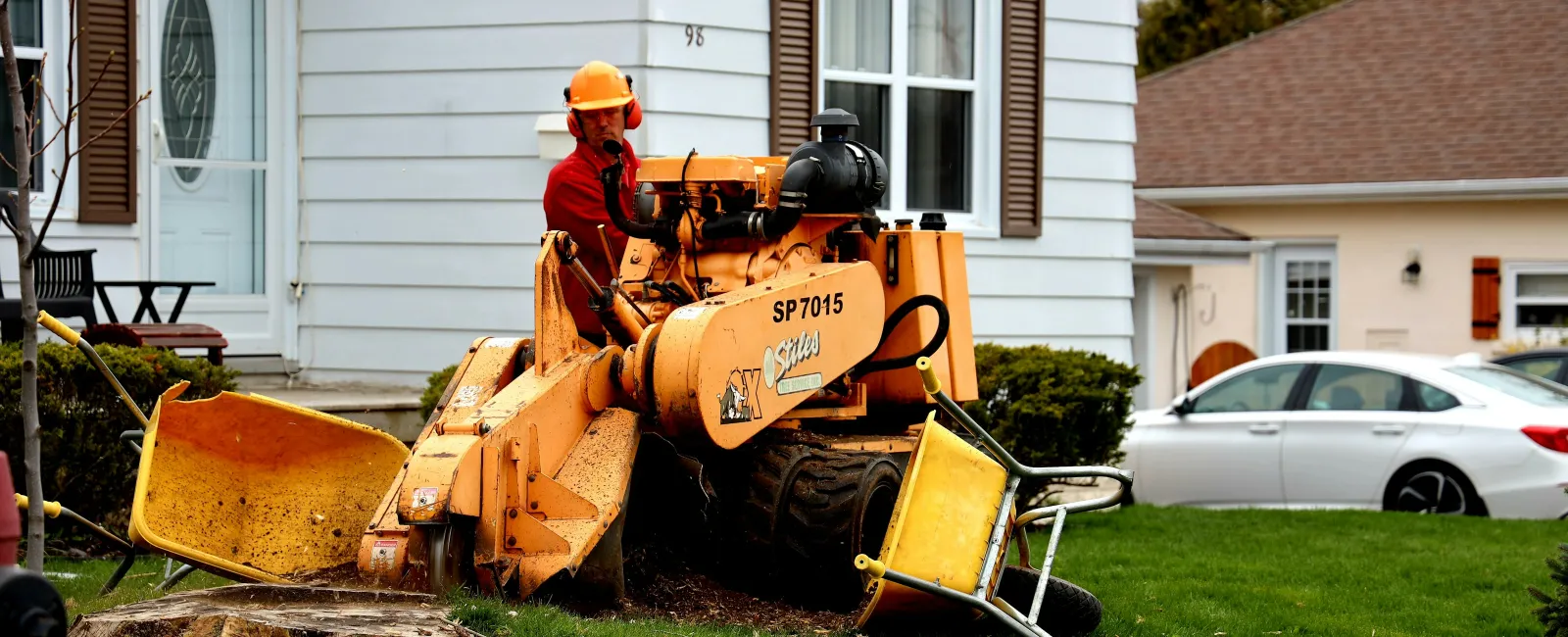
Grinding the stump below grade
lets you reseed grass, plant something new, or extend a flower bed over the
spot. If you need a true clean slate for new construction or significant
landscaping, full tree
stump removal pulls the root ball along with the stump.
For most properties, grinding is
the smarter move. It is faster, less invasive to the surrounding soil, and
leaves usable mulch behind that can stay on site or be hauled away.
Why Local Experience Matters in the Tri-State Region
Working in Southwest Virginia,
Northeast Tennessee, and Western North Carolina means dealing with terrain that
flatland crews are not built for. Steep grades, rocky soil, narrow rural
driveways, and the occasional bear track across a worksite are all part of the
job.
A local crew already knows how to access a property at the end of a winding mountain road. They know which seasons bring sap surges that make certain trees harder to cut. They know that a "small" cedar in this region often has a root system three times what its trunk would suggest.
How SWVA Stump Co Handles Small Tree Removal
SWVA Stump Co started in
early 2025 to give property owners across the Tri-State region a dependable
option for stump and small tree work. Our approach is straightforward. We
answer the phone, we show up when we say we will, and we leave your yard cleaner
than we found it.
Whether it is one stubborn
sapling near the porch or a row of volunteers along your property line, we have
the equipment and experience to handle it.
Ready to Reclaim Your Yard?
If a small tree has overstayed its welcome on your property, call SWVA Stump Co at 276-477-4240 or request a free estimate online. Licensed, insured, and based right here in the Tri-State region.